5 Subtle Signs of Skin Cancer Every Floridian Needs to Watch For
Nov 02, 2026
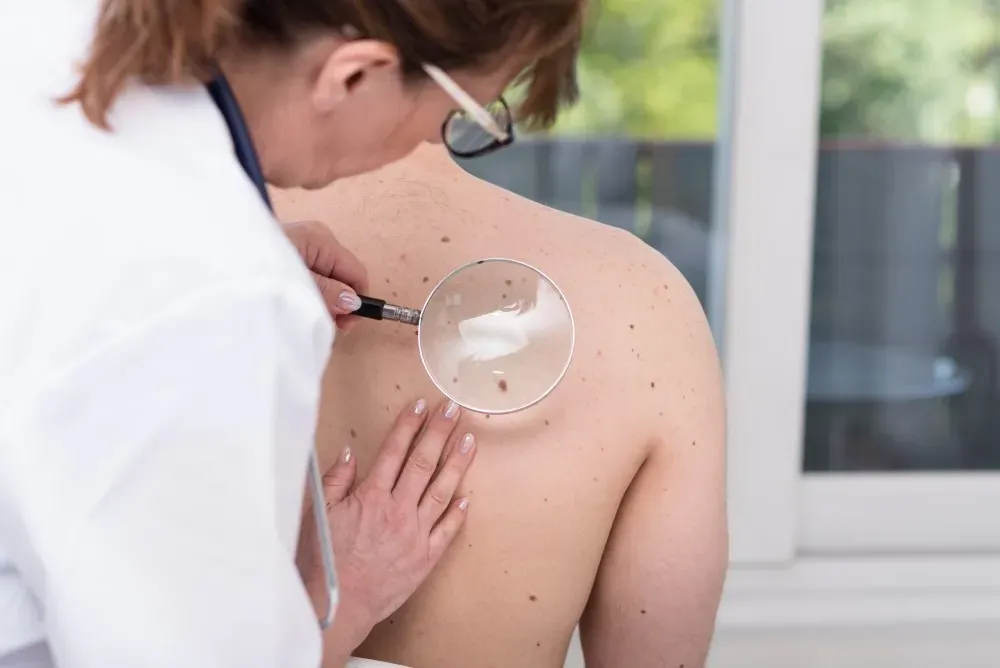
Living in sunny Florida means enjoying beautiful beaches and year-round outdoor activities. However, our intense sunshine also increases your risk of sun damage. At Florida Dermatology Associates, Dr. Ruben Moreno and our team help protect our community. We provide comprehensive skin cancer screening across our offices in Palm Bay, Melbourne, Cocoa Beach, Cocoa, Titusville, and Rockledge, Florida.
Many people only look for irregular, dark moles. Yet, some of the most dangerous skin cancers are highly disguised. Recognizing these subtle changes early can save your life.
Not all skin cancers are dark or brown. Some dangerous spots lack pigment entirely. According to the Cleveland Clinic, amelanotic melanomas often present as pink, red, or clear flesh-toned bumps.
These spots can look like a harmless pimple or bug bite. However, they grow quickly and feel firm to the touch. During our evaluations, we check any new bumps that feel hard.
Your normal moles usually look alike. They tend to share similar colors, shapes, and patterns. A spot that looks completely different from the rest is an "ugly duckling."
The Cleveland Clinic notes that any single lesion differing distinctly from surrounding moles is a warning sign. We evaluate these outliers at our offices. We can examine your moles if you have a suspicious spot.
Many Floridians only check their shoulders, face, and arms. However, skin cancer can develop in areas completely shielded from sunlight.
The American Academy of Dermatology advises checking areas like the palms, soles of the feet, groin, and inside the mouth. Our providers perform thorough, head-to-toe exams to find these hidden spots.
A dark line under your fingernail or toenail can be easy to ignore. You may think it’s only a bruise from an injury.
In a 2024 systematic review, researchers highlighted that acral lentiginous melanoma often presents as a dark vertical band on the nail. This type of cancer is especially common in patients with darker skin tones. If we detect this early, we can offer advanced treatments, such as Mohs micrographic surgery, to remove it.
A minor cut or blemish should heal within a couple of weeks. A spot that bleeds, oozes, or doesn’t clear up deserves professional attention.
The 2024 systematic review references the CUBED framework, which flags lesions that bleed or deteriorate with delayed healing. We treat many patients with non-healing, persistent sores. Our team can quickly biopsy the area to determine the cause.
Do not wait for a spot to become painful or large before getting it checked. Early detection is your best defense against skin cancer. If you notice any of these subtle signs, schedule a visit with our experienced team at Florida Dermatology Associates today.